In rural areas, animals are slaughtered on a slaughter slab. In an urban area, this is carried out in a slaughter house. An abattoir, that are found only in most developed countries, is a modern slaughter house with equipment for the proper, hygienic and humane slaughtering of animals.
 Public health inspectors have to be present before the slaughtering of animals to examine them. The inspectors have to certify by observation that the animals are free from diseases like anthrax, rinderpest, foot and mouth disease. Very young animals and diseased animals cannot be killed for meat production.

 The inspector then ensure that the healthy animals are slaughtered in humane manner. The inspector will carry out a postmortem examination on the slaughtered animal to ensure that it is free from the following diseases and parasites. Mostly pigs and cattle suffer from more diseases than goats and sheep.
Public health inspectors send samples of vegetables, fruits, cooked, preserved and canned foods to the laboratory for analysis. This is to ensure that these foods do not contain harmful chemicals. Canned foods are analysed to make sure that their contents agree with what is given on their labels. Inspectors also check and condemn all dented and bloated tins of foods, eating food from such tins is usually harmful.
Public health inspectors should regularly check eating shops and restaurants and the kitchen of hotels and inns. If these places do not meet the required sanitary standards, their license should be withdrawn. Public health inspectors have to ensure that food handlers should undergo medical check ups, so that carriers of infectious diseases can be detected and treated. They should also have to ensure that food handlers are healthy and maintain a high standard of personal cleanliness..


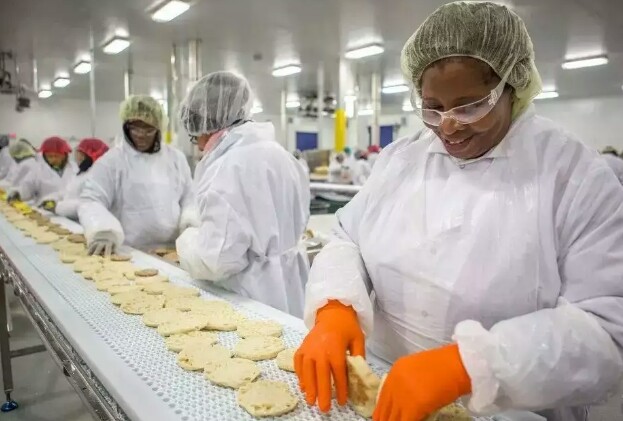
Public health inspectors send samples of vegetables, fruits, cooked, preserved and canned foods to the laboratory for analysis. This is to ensure that these foods do not contain harmful chemicals. Canned foods are analysed to make sure that their contents agree with what is given on their labels. Inspectors also check and condemn all dented and bloated tins of foods, eating food from such tins is usually harmful.
Public health inspectors should regularly check eating shops and restaurants and the kitchen of hotels and inns. If these places do not meet the required sanitary standards, their license should be withdrawn. Public health inspectors have to ensure that food handlers should undergo medical check ups, so that carriers of infectious diseases can be detected and treated. They should also have to ensure that food handlers are healthy and maintain a high standard of personal cleanliness..
Comments
Post a Comment